Friday, 7 March 2014

Nail Art Tips


3 nail art brushes every artist needs Some people seem to have this belief that you can't do nail art unless you have a million nail art brushes. While there's no such thing as too many brushes, I pretty much use the same three for almost all my nail art!

 Striping Brush Nail Art Brushes:


Oh, my dear sweet striping brush. This long, thin brush is used for painting skinny lines or any time you want to have a long, smooth line. It doesn't offer as much intricacy and control as a detail brush but it makes painting flawless lines a breeze. This brush is perfect for doing snowflake nails, American flag nails, zebra nails, or crystal nails.

Detail Brush Nail Art Brushes:
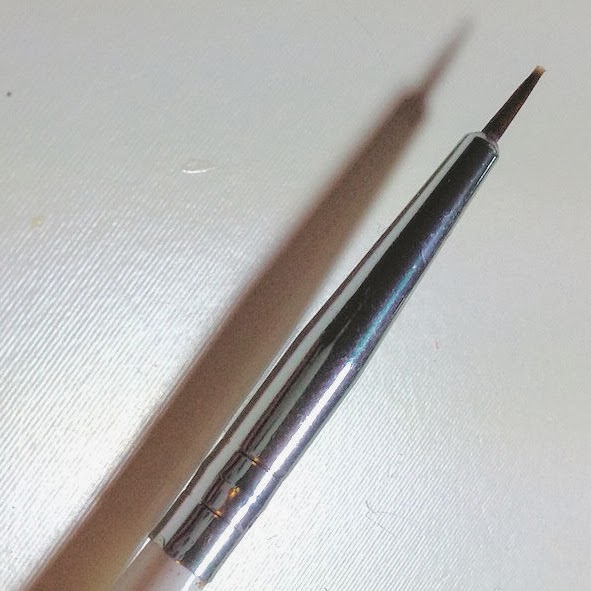


Possibly the most important nail art brush you need is a small detail brush. Eventually you'll find yourself skulking around art stores trying to find the tiniest brushes ever made! This brush offers a lot of control and precision for when you're doing complex painting, although in a lot of cases a nail art pen could do the same job. I prefer brushes as I feel it can be hard to control the flow of polish from nail art pens. I've used this brush to do leopard nails, neon pattern nails, cartoon nails and tribal nails.

Clean Up Brush Nail Art Brushes :


I can not stress enough how important it is to clean up after you do nail art! I talked about it a bit in my nail art blogging article, but it really is SO important! I've used a few different brushes for clean up, but the one I'm currently using (pictured on the left) is my favourite. It doesn't hold much liquid, so you don't flood your cuticles with acetone when you're trying to do a quick swipe to remove a mistake. I've also used an angle brush (which is good for getting right in those cuticles), but it's important to make sure it's not too saturated before you touch it to your cuticle or it will flood. I use 100% acetone for my clean up. It may be more drying than usual remover, but it gets the job done and a bit of cuticle oil fixes the dryness right up!

where to buy:


 Nail Art BrushesYour main places to buy brushes will probably be the internet, art/hobby stores and nail supply stores. If you choose to buy online, I would suggest Amazon or Ebay, but beware of those amazingly cheap sellers from China on Ebay. The quality can be quite dodgy, you might find them losing their point and falling apart in a couple weeks. If you decide to buy from a nail supplier, your best bet is Sally Beauty Supply. Most big cities in Canada, America and the UK have one. The brush selection they have online is pretty decent, so you should be able to find what you're looking for. Craft stores is a bit more of a gamble, but they usually have pretty small, fine brushes.

 caring for your brushes:


The better you care for your nail art brushes, the better they will work for you. Simple. Cleaning them is important, and it's best to do it as soon as you're done using them, if you can manage without screwing up your mani. Give them a quick rinse in 100% acetone right after you're done painting. What I usually do is pour a bit of acetone into the lid from the bottle for easy access and minimal waste. I swirl the brush in the acetone and gently wipe it on a cotton pad. I repeat this process until there's no polish residue when I wipe it. As long as you're diligent and careful your brushes should hold up really well. I've been using the same two brushes for over a year. Cleaning Nail Art BrushesIf your brushes are stiff and hard, it means there is dried polish in them. You can soak them in some remover or acetone, but try not to leave them for toooooo long! The first time I soaked my brushes I, very stupidly, left them bristle down in a glass of remover and came back to find bent tips. Cleaning Nail Art Brushes


Tips For How to Apply Nail Polish

Method 1 of 3: Getting Started

  1. Perfectly painted nails can express your mood, match your outfit and reflect your personality -- especially now that there are so many amazing colors to choose from. You can go with classic red, happy yellow, creative green or mysterious purple, to name but a few. With all this excitement, it's easy to forget the fact that painting your own nails (without making a mess) can be tricky. Read on to find out the best way to achieve beautifully polished nails at home, and you may never get a professional manicure again!


 1. Choose a nail polish in the color of your choice:

 Choose a color that reflects your mood or matches what you're wearing that day. Remember that darker colors like purple, black or dark red will make your nails appear smaller, so you should only choose these colors if your nails are quite long. You should also choose a nail polish that isn't too old - older nail polishes will become thick and gloopy and you'll find them harder to paint your nails with. If you really want to salvage an old nail polish that has become thick, try adding a couple of drops of acetone nail polish remover to the bottle, twist the lid back on, and shake to combine. It is also possible to buy specialized nail polish thinners from some of the most popular brands.[1]

 2. Pick a place to paint:

 When choosing a place to paint your nails, go for a clean, stable surface in a well-lit room. A study desk or the kitchen table are good options, just make sure to put some paper towel beneath your hand so you don't get any polish on the surface. The room should also be well ventilated, as fumes from nail polish and nail polish remover are not good for your health.


 3. Gather the necessary supplies:

 Gather some cotton balls or rounds, some q-tips, nail polish remover, nail clippers, a nail file, a cuticle stick and a bottle of clear nail polish. Having all of these items easily at hand will speed up the nail painting process and minimize the chances of you smudging a nail.

4. Take off any old polish:

 Soak a cotton ball or round in some nail polish remover and hold it against the nail for ten seconds. Then swipe the cotton ball along the nail to remove the polish. Use a q-tip soaked in nail polish remover to get rid of any polish trapped around the edges. Even if you don't have any nail polish on, you should still swipe some nail polish remover over your nails before you begin painting, to get rid of any natural oils on your nails. This will allow the polish to go on smoothly and help the color to last longer.

 5. Cut and/or file your nails:

 Use the nail clippers to trim your nails if they are too long or have any uneven edges. You want all of your nails to be approximately the same length. Then use a nail file (glass ones work really well) to smooth and shape the edges of your nails. You can give your nails a rounded or a square finish, depending on your personal preference. When filing your nails, rub the nail file from the outside of each nail to the center, doing each side of the nail separately. Each stroke should go in the same direction - you should never use a sawing motion when filing, as these may weaken and break the nails.

 6. Push back your cuticles:

 Your cuticles are the little pieces of skin at the bottom of each nail. They can make your nail polish application look messy if they are not pushed back before you paint. Cuticles are easier to push back when they have been softened, so try soaking your nails in a small bowl of warm water for a minute or two first. Dry your hands and nails thoroughly, then use a cuticle stick to push the soft skin of each cuticle back to the edge of the nail.

 7.Rub the bottle between your hands to warm the nail polish for about 25-30 seconds:

 This helps to mix up the contents of the bottle, stirring up any color that has settled on the bottom. Don't shake it -- rolling the bottle instead will prevent bubbles from forming in the polish and keep your nails smooth.